1Local food in Tokyo — by neighborhood
✅ Business info checked 2026-11-15 · source shown for every shop9 neighborhood-favorite places that locals have visited for years · swipe sideways and tap Details ▾
Read more
Instead of calling them "hidden gems," we picked neighborhood-favorite shops with fewer tourist lines and years of regulars. Swipe the cards sideways and tap Details ▾ for hours, payment and sources. Info can change, so check the map link once more before you go. The area map shows rough locations, not real scale.
9 places — showing all
No shop matches. Try removing one filter 🙏
No.1Shinjuku Omoide Yokocho
新宿西口思い出横丁
📍 ShinjukuSkewer & izakaya alley
What to eat · An old alley next to the west exit of Shinjuku Station. About 60 of its roughly 80 shops are restaurants and bars, and yakitori and motsuyaki (offal skewers) are the signature (official).
💴 Bring cash⏳ Busy at peak only
- 🕒
- Hours & location · Right next to the west exit of Shinjuku Station · The official site says opening days, hours and menus of each shop can change without notice
- 💴
- Payment · It depends on the shop. There are many small shops, so it is easier to bring cash.
- ⏳
- Wait tips · The alley's style is to hop from shop to shop for one or two skewers rather than stay long in one place. It gets packed at rush hour (6–8 p.m.), so around 5 p.m. is easier.
No.2Fuunji Shinjuku Main Branch
風雲児 新宿本店
📍 ShinjukuTsukemen (dipping noodles)
What to eat · A tsukemen specialist where you dip noodles in rich broth. There are many photos of the special tsukemen.
💳 Cards OK⏳ Often a line💰 ¥1,000–1,999
- 🕒
- Hours & location · 11:00–15:00, 17:00–21:00 · Open every day (as shown on Tabelog) · 2-14-3 Yoyogi, Shibuya-ku, B1F (near Minami-Shinjuku and Shinjuku stations) · No reservations
- 💴
- Payment · Tabelog lists cards, transit IC cards and QR payments as accepted. This can change, so bring a little cash too.
- ⏳
- Wait tips · Right after lunch or dinner opening is the fastest. If there is a line, follow the instructions in front of the shop.
- 💰
- Price range · ¥1,000–1,999 based on reviews
No.3Ameyoko Shopping Street
アメ横商店街
📍 UenoMarket alley
What to eat · A lively, down-to-earth shopping street running about 500 m from Ueno Station to Okachimachi Station, packed with food, sweets, clothing and general goods shops (official Tokyo tourism).
💴 Bring cash⏳ Busy at peak only
- 🕒
- Hours & location · Open all year (varies by shop) · Right at JR Ueno Station and Okachimachi Station
- 💴
- Payment · It depends on the shop. Cash is easier at stall-type shops.
- ⏳
- Wait tips · Weekend afternoons are the most crowded. Weekday mornings to lunchtime are easier for walking.
No.4Anmitsu Mihashi Ueno Main Store
あんみつ みはし 上野本店
📍 UenoDessert (anmitsu)
What to eat · An anmitsu shop (a dessert of red bean, agar jelly and fruit) in front of Ueno Park. It is a nice place to rest after a walk in the park.
💴 Bring cash⏳ Busy at peak only
- 🕒
- Hours & location · 10:30–21:00 (last order 20:30, official) · In front of Ueno Park
- 💴
- Payment · The official site does not list payment methods.
- ⏳
- Wait tips · You may have to wait on weekend afternoons. Mornings or after 7 p.m. are relatively quiet.
No.5Tsukiji Outer Market
築地場外市場
📍 TsukijiMarket food
What to eat · Only the wholesale "inner market" moved to Toyosu; the outer market stayed as it was (official). Food ingredient shops and eating shops are packed into every alley.
💴 Bring cash⏳ Busy at peak only
- 🕒
- Hours & location · Many shops close on Tokyo Central Wholesale Market holidays (check the official calendar) · Until 9 a.m. is priority time for trade buyers (official guide)
- 💴
- Payment · It depends on the shop. There is no haggling culture (official).
- ⏳
- Wait tips · If you go after 9 a.m., you bump into fewer trade buyers. The official manners are: do not eat while walking (eat inside the shop or in designated spots) and ask before taking photos.
No.6Kitsuneya
きつねや
📍 TsukijiHorumon-don (offal rice bowl)
What to eat · The signature dishes are "horumon-don" (beef offal simmered in miso sauce over rice) and gyudon.
💴 Cash only⏳ Often a line💰 ¥850
- 🕒
- Hours & location · 6:30–13:00 · Closed Wednesdays and Sundays · 4-9-12 Tsukiji · A few counter seats + standing area outside · No reservations
- 💴
- Payment · Cards, e-money and QR payments are listed as not accepted → bring cash!
- ⏳
- Wait tips · There is a line even on weekday mornings. Early morning (7–8 a.m.) is the fastest. It closes at 1 p.m., so do not go too late!
- 💰
- Price range · Horumon-don ¥850 (based on Tabelog photo captions)
No.7Iseya Main Store
いせや総本店
📍 KichijojiYakitori
What to eat · An old, large yakitori restaurant in Kichijoji. It opens at noon, so many customers have skewers and a drink from early in the day.
💴 Cash only⏳ Busy at peak only💰 ¥2,000–2,999
- 🕒
- Hours & location · 12:00–22:00 · Closed Tuesdays · About a 3-minute walk from the south exit of Kichijoji Station · Reservations only for courses for 8 or more
- 💴
- Payment · Cards, e-money and QR payments are listed as not accepted → bring cash!
- ⏳
- Wait tips · It opens at noon, so dropping by around 2–4 p.m. before or after a walk in Inokashira Park is relaxed.
- 💰
- Price range · ¥2,000–2,999 shown on Tabelog
No.8Kichijoji Sato
吉祥寺さとう
📍 KichijojiMenchi-katsu (takeout)
What to eat · A butcher shop where people line up for the round "Maru Menchi-katsu." You take it away and eat it.
💴 Cash only⏳ Often a line💰 ¥200
- 🕒
- Hours & location · 10:00–19:30 · Menchi-katsu from 10:30 until sold out · Closed only on New Year's Day · 1-1-8 Kichijoji Honcho
- 💴
- Payment · Cards, e-money and QR payments are listed as not accepted → bring cash!
- ⏳
- Wait tips · Right after sales start (10:30) or on a weekday afternoon is easier. When it is sold out, that is it, so avoid the late afternoon.
- 💰
- Price range · Maru Menchi ¥200 each (based on Tabelog photo captions)
No.9AFURI Nakameguro
AFURI 中目黒
📍 NakameguroRamen
What to eat · The signature dish is "Yuzu Shio Ramen (柚子塩らーめん)" — clear chicken broth with a yuzu aroma (official menu). There is also vegan ramen.
💳 No cash⏳ Busy at peak only
- 🕒
- Hours & location · 11:00–23:00 (closes when the soup runs out) · Open every day · Nakameguro Arena 1F, 1-23-1 Kami-Meguro, Meguro-ku (official)
- 💴
- Payment · It is a “fully cashless shop” and does not take cash (official) → have a card or IC card ready!
- ⏳
- Wait tips · It is close to the station, so there are lines at lunch and dinner peaks. 3–5 p.m. or after 9 p.m. is easier. It pairs well with a walk along the Meguro River.
2What should we eat? Tokyo food slot machine 🎰
Three reels stop one after another: area · dish · shop — it picks only from the list above (sources checked)
No shop matches this choice. Set the area or dish to “All” 🙏
3Things to do in Tokyo — famous spots + less crowded ones
⭐ 5 famous spots + 🌿 2 less crowded spots · Tap a card to see how to get there
Read more
⭐ Famous = must-sees, 🌿 Less crowded = places with relatively fewer tourists. Hours and fees change by season, so check the official site in the source link.
Asakusa Sensō-ji
⭐ Famous
How to get there · Walk from Asakusa Station on the Tokyo Metro Ginza Line or Toei Asakusa Line.
Best time · The Nakamise shopping street is very crowded in the daytime. Early morning or around dusk is good for photos.
Source: Sensō-ji official site · checked 2026-11-15
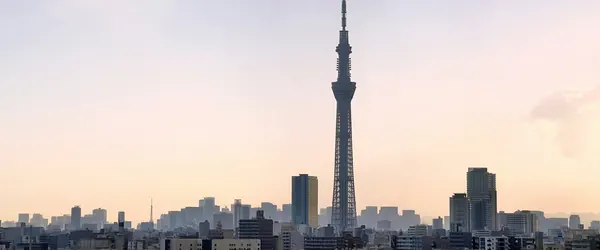
Tokyo Skytree
⭐ Famous
How to get there · Right at Tokyo Skytree Station and Oshiage Station.
Best time · On a clear morning you can see the farthest from the observation deck. Buying tickets in advance means a shorter line.
Source: Tokyo Skytree official site · checked 2026-11-15
Shibuya Sky
⭐ Famous
How to get there · Shibuya Scramble Square, right above Shibuya Station.
Best time · The time around sunset is the most popular. Check how to enter and the fees on the official site in advance.
Source: Shibuya Sky official site · checked 2026-11-15
Meiji Jingu
⭐ Famous
How to get there · Walk from JR Harajuku Station or Meijimae-Jingu Station on the Tokyo Metro (Meiji-jingumae).
Best time · It is a big forest path, so walking early in the morning is quiet and cool.
Source: Meiji Jingu official site · checked 2026-11-15
Ueno Park
⭐ Famous
How to get there · Right at the park exit of JR Ueno Station.
Best time · Museums and a zoo are gathered here. A convenient route is a walk in the park, then down to Ameyoko.
Source: Tokyo Metropolitan Government Bureau of Construction (Ueno Park official) · checked 2026-11-15
Inokashira Park
🌿 Less crowded
How to get there · Walk from Kichijoji Station (JR / Keio Line).
Best time · A pond park where neighborhood people take walks. It makes a nice half-day course together with Iseya and Sato.
Source: Tokyo Metropolitan Government Bureau of Construction (Inokashira Park official) · checked 2026-11-15
Yanaka Ginza
🌿 Less crowded
How to get there · Walk from Nippori Station (JR / Keisei).
Best time · An old neighborhood shopping street. It is good for a slow walk with snacks in the afternoon. Entering from the Nippori side and walking down toward Ueno is also a good route.
Source: Yanaka Ginza shopping street official site · checked 2026-11-15
4Tokyo travel tips — transport passes, payment, lines
12 things to know before you go · Tap an icon for the explanation
How to choose a transport pass
Tokyo has two subway companies, Tokyo Metro and Toei, and JR is separate. If you ride the subway several times a day, a subway-only 1-day or 72-hour pass is convenient. If you ride JR a lot, topping up an IC card (Suica / PASMO) is simpler. First check which company runs the lines you will ride that day, then compare the total fares with the pass price.
Payment — cards, IC cards, cash
Transit IC cards work not only on subways and buses but also at many convenience stores and vending machines. However, some old small shops accept cash only, and on the other hand more and more shops are fully cashless and do not take cash at all. Bring both cash and a card, and check the 💴 payment line of the food cards above first.
Using convenience stores
Convenience stores are the fastest for breakfast, water and snacks. Whether you can withdraw yen from a convenience store ATM with a foreign card depends on the card, so ask your card company about overseas withdrawals and fees before you leave.
No tipping culture
You do not tip separately in Japanese restaurants. Just pay the amount on the bill, and you do not need to leave change behind. Some izakaya may add a basic appetizer (otoshi) charge that works like a seating fee.
Lines and reservations
Many popular old shops do not take reservations, so you line up in front. Follow the line-position signs, and some shops only seat you when your whole group has arrived, so it is better to line up together. Shops that do take reservations often take them only by phone or on their own booking page.
Few trash cans
There are few trash cans on the street, so it helps to carry a small bag. Return leftover skewers and cups to the shop where you bought them, or throw them away at your hotel.
Tax refund
If you plan to shop a lot, learn the tax-free conditions and refund method first → How to get a tax refund in Japan
Luggage delivery & storage
When you have time left after checkout or lots of shopping bags, luggage storage or delivery keeps your hands free → Luggage storage & delivery guide
eSIM
You need data all the time for maps, translation and checking lines. Install it beforehand so it turns on as soon as you arrive → Japan eSIM comparison
Airport transfer
The train or bus from the Tokyo airport into the city is the key to your first-day route → How to get from the airport in Japan
Where to stay
If your hotel is close to the neighborhood with the food you want, it is easy to get back after dinner → Where to stay in Tokyo
Flights
Moving your dates just a little can change the price → Tokyo lowest-fare calendar
5Tokyo travel tips quiz (5 true/false questions) 🧠
How many can you get right before you go? Tap an answer and the explanation appears right away.
6Find Tokyo transport passes, tickets and food tours in advance
Klook and KKday links are ad / affiliate links — if you book through them, sselmo may earn a small commission, but the amount you pay does not change. Check prices, what is included and refund terms on each site. The map links in the food list above are not ads.
Local food in Tokyo: “neighborhood favorites” rather than “hidden gems”
Tokyo has so many shops that searching for “local food in Tokyo” never ends.
Read more
Tokyo has so many shops that searching for “local food in Tokyo” or “local Tokyo restaurants” never ends. Instead of promoting “hidden” places, this page picks neighborhood-favorite shops with fewer tourist lines and years of regulars, and only those whose business info we checked on Nov 15, 2026 from official sites, GO TOKYO (official Tokyo tourism) and Tabelog. Shops whose business status was unclear after checking were removed from the list.
Each Tokyo neighborhood has a clear character. Shinjuku suits old alleys next to the station and ramen shops with lines, Ueno suits the Ameyoko market and old dessert shops, Tsukiji suits morning market food, Kichijoji suits the park and old skewer shops, and Nakameguro suits riverside walks and stylish ramen and cafes. Exploring one or two neighborhoods in depth per day is how to travel Tokyo with less fatigue.
Tokyo food: wait and payment tips
Many popular shops do not take reservations, so you wait in line.
Read more
Many popular shops do not take reservations, so you wait in line. The most effective way is to avoid meal times, such as right after opening or around 3–5 p.m. Morning-only places like Tsukiji sometimes close before lunch, so always check the hours.
Cards and IC cards work well in Tokyo, but even this page's list has old shops that take cash only, and also a fully cashless shop that does not take cash at all (AFURI Nakameguro). Bringing both cash and a card is the safest.
Tokyo itinerary: group neighborhoods together (4 days 3 nights, 5 days 4 nights)
For 4 days and 3 nights we suggest: Day 1 Shinjuku (Omoide Yokocho in the evening), Day 2 Asakusa Sensō-ji → Skytree, Day 3 Tsukiji in the morning → Ueno Park → Ameyoko → Yanaka Ginza, Day 4 Kichijoji and Inokashira Park → airport.
Read more
For 4 days and 3 nights we suggest: Day 1 Shinjuku (Omoide Yokocho in the evening), Day 2 Asakusa Sensō-ji → Skytree, Day 3 Tsukiji in the morning → Ueno Park → Ameyoko → Yanaka Ginza, Day 4 Kichijoji and Inokashira Park → airport. With 5 days and 4 nights, combine Meiji Jingu, Shibuya Sky and Nakameguro into one day.
Tokyo has two airports, Narita and Haneda, so where to stay depends on which airport you arrive at. Check where to stay in Tokyo, the lowest Tokyo fares and your total budget with the Tokyo trip cost calculator.
One more Tokyo tip — a check to avoid mistakes
Check closing days and bring cash, a card and an IC card — with these two things you will rarely make a wasted trip.
Read more
The biggest shame is finding the place and seeing it closed. The older the shop, the more fixed its regular closing day is, and some close between lunch and dinner or early when ingredients run out. Write the closing days shown on each card of this page into your schedule, and check once more with the map link the day before you leave. Then you will almost never make a wasted trip.
The right answer for payment is to bring all three: “cash + card + IC card.” Old shops may take only cash and new shops may take only cashless, so trusting just one can leave you stuck. You will keep using data for maps, translation and checking lines, so prepare an eSIM in advance, and if you plan to shop a lot, also look at tax refunds and luggage storage & delivery.
FAQ
Where can I find local food in Tokyo?
Do Tokyo restaurants only take cash?
What time should I go to Tsukiji Outer Market?
Which Tokyo sights are less crowded?
Which Tokyo transport pass should I buy?
Do I need to tip in Japanese restaurants?
Where do I throw away trash in Tokyo?
Next step
Next step → Choose where to stay in Tokyo 🏨Find a hotel area close to the food neighborhoodsTravel pages that go well with this
© 2026 sselmo.com · Free tools for everyone · Privacy Policy · Accessibility · Terms of Use · Open-source licenses
Slot and quiz results are made only on this device and are not sent anywhere.